10 Underrated European Cities That Cost Half of Paris
The Best of Europe Without the Price Tag
Paris costs an average of $180-220 per day for a comfortable travel experience in 2026. That includes a decent hotel, two sit-down meals, metro rides, and one paid attraction. It is a world-class city and worth every euro for many travelers -- but it is not the only way to experience Europe.
Across the continent, there are cities with stunning architecture, vibrant food scenes, rich history, and genuine character that deliver a comparable experience at 40-60% of the cost. These are not obscure villages. They are real cities with airports, infrastructure, and enough to fill a week -- they just have not been overrun by mass tourism yet.
All cost estimates below are for a mid-range traveler in 2026: comfortable hotel (not luxury), restaurant meals (not exclusively street food), public transport, and 1-2 paid activities per day.
1. Porto, Portugal -- $95/day
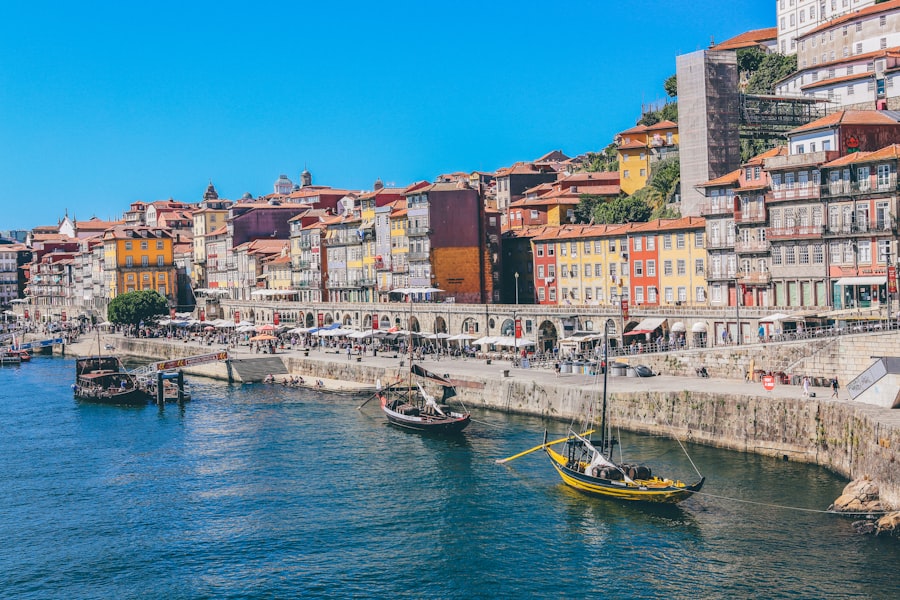
Porto has emerged from Lisbon's shadow to become one of Europe's most compelling cities. The Ribeira district along the Douro River is UNESCO-listed, the port wine cellars in Vila Nova de Gaia offer tastings from $5, and the food scene rivals Lisbon at lower prices.
A centrally located hotel averages $55-70/night. A traditional Portuguese lunch (including a glass of vinho verde) costs $10-14 at a local tasca. The city is walkable but hilly -- take the vintage tram for $3.50 when your legs give out.
Do not miss: The Livraria Lello bookstore ($5 entry, credited toward a purchase), Sao Bento train station's 20,000 azulejo tiles (free), and a francesinha sandwich -- Porto's absurdly indulgent local specialty.
Best time to visit: May-June or September. July-August brings heat and crowds.
2. Ljubljana, Slovenia -- $85/day
Slovenia's capital is one of those cities that makes you wonder why it is not more famous. A car-free old town, a castle on a hill, the emerald-green Ljubljanica River running through the center, and a food market designed by the same architect (Joze Plecnik) who shaped much of the city's character.
Hotel rooms average $50-65/night. A full lunch at a traditional gostilna runs $9-12. The city is small enough to walk everywhere, and most of the best experiences (the river promenade, Metelkova arts district, Tivoli Park) are free.
Do not miss: The Open Kitchen Friday market (street food from top local chefs, $5-8 per plate), Lake Bled as a day trip ($8 by bus), and the castle funicular ($7 return including castle entry).
Best time to visit: Late May through September. Winters are cold but atmospheric, with Christmas markets in December.
3. Krakow, Poland -- $75/day
Krakow has been a budget traveler favorite for years, but it still dramatically underpriced relative to its quality. The Main Square (Rynek Glowny) is the largest medieval town square in Europe, the Kazimierz Jewish quarter has some of the continent's best bars, and the food has evolved far beyond the pierogi stereotype (though the pierogi are also excellent).
A well-located hotel runs $40-55/night. A three-course dinner with beer at a quality restaurant costs $12-18. Bar prices are some of the lowest in Europe -- a craft beer is $3-4, a cocktail $5-7.
Do not miss: The Wieliczka Salt Mine day trip ($25 including transport), the street food in Plac Nowy (zapiekanki for $3), and the free walking tour of the Old Town.
Best time to visit: April-June or September-October. Summer is peak season but still manageable.
Pro tip: Krakow is an excellent base for comparing costs with other Central European cities like Budapest, Prague, and Bratislava -- all are within easy train reach.
4. Thessaloniki, Greece -- $90/day
Everyone goes to Athens and the islands. Thessaloniki, Greece's second city, delivers history, food, and waterfront beauty without the crowds or the island markup. The food scene here is arguably better than Athens -- Greeks themselves consider Thessaloniki the culinary capital of the country.
Hotels average $50-65/night. A meal at a traditional taverna with wine costs $12-16. The White Tower, the promenade, and the Ano Poli old quarter are all free to explore.
Do not miss: The Modiano and Kapani markets for street food and people-watching, bougatsa (a custard-filled pastry) from Bougatsa Giannis ($2), and the rooftop bars overlooking the Thermaic Gulf.
Best time to visit: May-June or September-October. Summer is hot but the waterfront breeze helps.
5. Ghent, Belgium -- $100/day
Ghent is what Bruges would be if Bruges had not been discovered by cruise ships. Medieval architecture, canals, a world-class art scene (the van Eyck altarpiece alone is worth the trip), and Belgian food and beer culture at prices below Brussels.
Hotels average $60-80/night. A lunch of Flemish stew (stoofvlees) with frites costs $12-15. Belgian beers at local pubs run $3-5. The city is compact and bikeable, with a free bike-sharing system for residents and cheap rentals for visitors.
Do not miss: The Ghent Altarpiece at St. Bavo's Cathedral ($6), the Gravensteen castle ($12), and the Patershol neighborhood for dinner.
Best time to visit: April-September. The Ghent Festival in July is ten days of free music and street performances.
6. Valletta, Malta -- $90/day
Malta's capital is a fortified city built by the Knights of St. John, packed into a peninsula the size of a few city blocks. Every street is a photo opportunity, the Mediterranean light is extraordinary, and the food blends Italian, North African, and British influences into something uniquely Maltese.
Hotels average $55-70/night. A lunch of pastizzi (flaky pastries filled with ricotta or peas) costs under $2 at a pastizzeria. A full restaurant dinner with wine runs $18-25.
Do not miss: St. John's Co-Cathedral ($15, one of Europe's most ornate interiors), the Upper Barrakka Gardens (free, with a cannon salute at noon), and a ferry across the harbor to the Three Cities ($2).
Best time to visit: April-May or October-November. Summer is scorching.
7. Wroclaw, Poland -- $70/day
If Krakow is Poland's tourist star, Wroclaw is the city Poles themselves love. Over 100 bridges cross the Oder River and its canals, colorful townhouses line the Rynek (market square), and hidden bronze dwarf statues (over 300 of them) turn a city walk into a treasure hunt.
Hotels average $35-50/night. A full dinner with beer costs $10-14 at a quality restaurant. The tram system covers the entire city for $1 per ride.
Do not miss: Ostrow Tumski (Cathedral Island) at dusk when the gas lamps are lit by hand, the Centennial Hall and its massive fountain show (free), and the street food scene in Hala Targowa.
Best time to visit: May-September. The Christmas market (November-December) is one of the best in Europe.
8. Split, Croatia -- $95/day
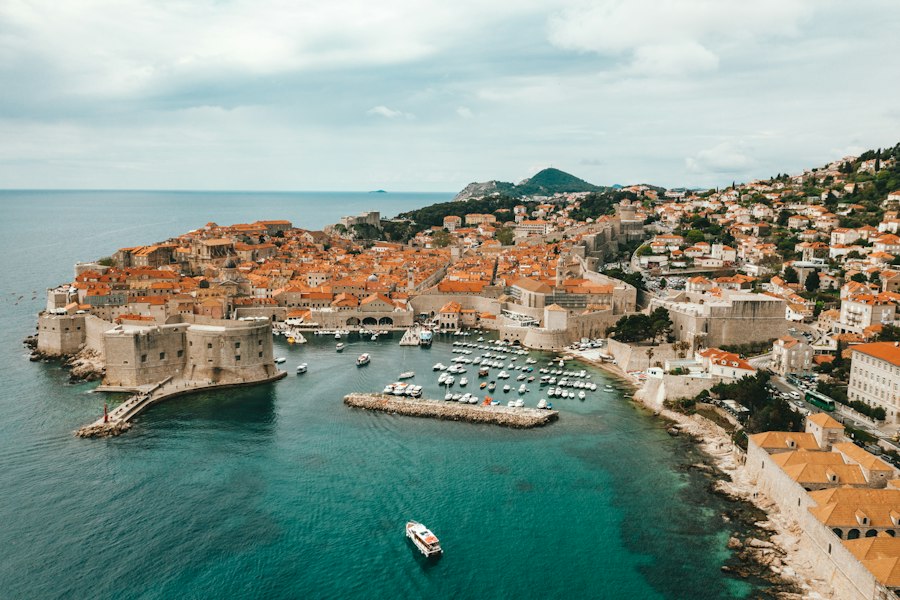
While Dubrovnik charges Game of Thrones prices, Split delivers Adriatic beauty at a significant discount. Diocletian's Palace -- a Roman emperor's retirement home turned living city center -- is one of the most extraordinary urban spaces in Europe, and you can have a coffee inside a 1,700-year-old courtyard for $2.
Hotels average $55-75/night. A seafood lunch on the Riva promenade costs $12-18. Ferries to the islands (Hvar, Brac, Vis) run $8-15 each way.
Do not miss: The Green Market for fresh produce and local cheese, a swim at Bacvice Beach (free), and the view from Marjan Hill at sunset.
Best time to visit: May-June or September. July-August is peak season with higher prices and cruise ship crowds.
9. Braga, Portugal -- $80/day
If Porto is underrated, Braga is practically unknown to international travelers. Portugal's third city is the religious capital of the country, with baroque churches on every corner, but it has also developed a young, vibrant cafe and bar culture thanks to its large university population.
Hotels average $45-60/night. A daily menu (prato do dia) at a local restaurant costs $7-9 including soup, main, dessert, and a drink. The city is walkable, and the bus to the famous Bom Jesus do Monte sanctuary costs $2.
Do not miss: The Bom Jesus stairway (climb the 577 steps or take the funicular for $2), the Se Cathedral (free), and the local vinho verde -- Braga is in the heart of the production region.
Best time to visit: April-June or September-October. Holy Week (Semana Santa) in spring is spectacular.
10. Kotor, Montenegro -- $85/day
Kotor's old town, wedged between a dramatic bay and steep mountains, looks like it was designed by a film set decorator with an unlimited budget. The fortified walls climb 1,200 meters up the mountainside, the old town is a UNESCO-listed maze of squares and churches, and the Bay of Kotor itself is often called the Mediterranean's only fjord.
Hotels average $50-65/night (more in the old town, less in nearby Dobrota). A seafood dinner with wine costs $15-20. The town is tiny -- you walk everywhere.
Do not miss: The fortress hike (1,350 steps, $8 entry, some of the best views in Europe), a boat trip to Our Lady of the Rocks ($5), and the cat-themed shops and cafes (Kotor is famous for its cats).
Best time to visit: May-June or September-October. Cruise ships overwhelm the small old town in peak summer.
How to Choose Between Them
All ten cities offer genuine quality at 40-60% of Paris prices, but they serve different travel moods. Use the TripVS explore page to browse all of these destinations and compare costs side by side, or run a direct head-to-head comparison between any two that catch your eye.
For food lovers: Thessaloniki, Porto, or Ghent
For history buffs: Krakow, Kotor, or Split
For architecture: Valletta, Wroclaw, or Ljubljana
For the tightest budget: Wroclaw, Krakow, or Braga
For a romantic getaway: Kotor, Porto, or Ljubljana
Europe does not have to be expensive. It just requires looking past the obvious choices -- and these ten cities are proof that the best experiences are often found where the crowds are not.